









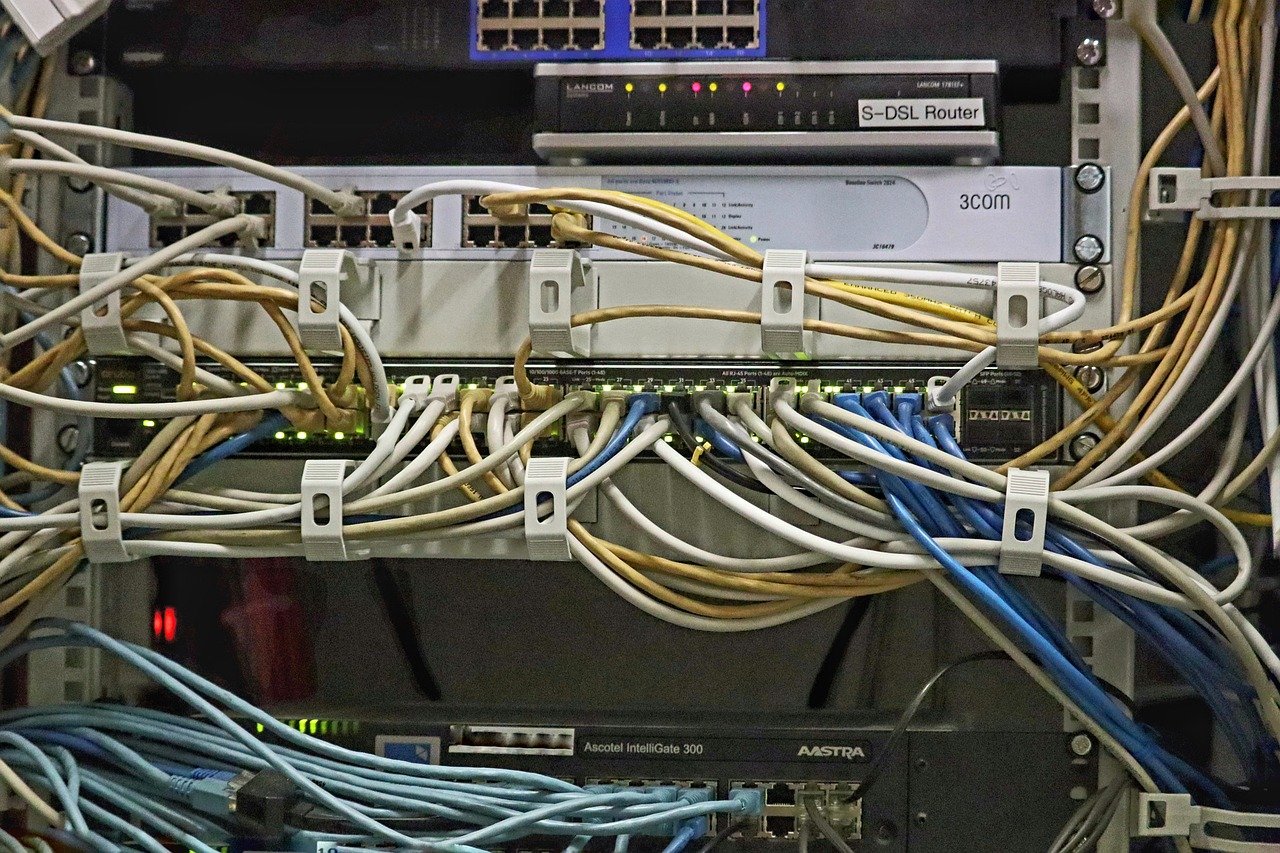
Imagine your website as a race car, and your hosting as the engine. A sluggish engine will leave you eating dust, while a high-performance engine will propel you to victory. In the competitive online landscape, speed is paramount. A high-speed VPS (Virtual Private Server) can provide that engine, delivering the performance and reliability your website needs to thrive. Let’s delve into the world of high-speed VPS hosting and explore how it can benefit your online presence.
What is a High-Speed VPS?
Understanding the Basics of VPS Hosting
Before diving into the “high-speed” aspect, let’s understand the fundamentals of VPS hosting. A VPS provides you with a virtualized server environment. Unlike shared hosting, where resources are shared among numerous websites, a VPS allocates dedicated resources – CPU, RAM, and storage – to your specific virtual machine. This isolation translates to better performance and security.
Defining “High-Speed” in the VPS Context
A high-speed VPS takes this a step further by focusing on optimizing all aspects of the server infrastructure for maximum speed. This includes:
- Cutting-Edge Hardware: Utilizing the latest generation of processors (e.g., Intel Xeon or AMD EPYC), fast RAM (DDR4 or DDR5), and high-performance storage solutions.
- Solid State Drives (SSDs) or NVMe Storage: These storage technologies offer significantly faster read/write speeds compared to traditional Hard Disk Drives (HDDs). NVMe (Non-Volatile Memory Express) is particularly advantageous, providing even greater speed and lower latency. For example, loading a large database on NVMe storage compared to an HDD could result in a 5x to 10x performance improvement.
- Optimized Network Infrastructure: High-speed VPS providers invest in robust network infrastructure with low latency and high bandwidth connectivity. This ensures data can be transferred quickly and reliably between your server and website visitors.
- Efficient Server Configuration: The server software stack (operating system, web server, database) is carefully configured to minimize overhead and maximize performance. This often involves using lightweight operating systems, optimizing database queries, and implementing caching mechanisms.
- Strategic Server Locations: Choosing a server location geographically close to your target audience reduces latency and improves website loading times.
Why Speed Matters: A Practical Example
Consider an e-commerce website. Studies show that even a 1-second delay in page load time can result in a 7% reduction in conversions. If your website takes 3 seconds to load, you could be losing a significant percentage of potential sales. A high-speed VPS ensures faster loading times, leading to improved user experience, higher conversion rates, and better search engine rankings.
Benefits of Choosing a High-Speed VPS
Improved Website Performance
The most obvious benefit of a high-speed VPS is enhanced website performance. This translates to:
- Faster Loading Times: Visitors will experience quicker page load times, leading to a more enjoyable browsing experience.
- Reduced Bounce Rate: Slow-loading websites often have high bounce rates (visitors leaving after viewing only one page). A fast website keeps visitors engaged.
- Increased Conversions: As mentioned earlier, faster loading times can directly impact conversion rates, resulting in more sales or leads.
- Better User Experience: A fast and responsive website provides a positive user experience, encouraging visitors to return.
Enhanced SEO Rankings
Search engines like Google consider website speed a crucial ranking factor. A high-speed VPS can improve your SEO by:
- Meeting Google’s PageSpeed Insights Recommendations: Google’s PageSpeed Insights tool analyzes your website’s speed and provides recommendations for improvement. A high-speed VPS provides the foundation for addressing many of these recommendations.
- Improving Core Web Vitals: Google’s Core Web Vitals (Largest Contentful Paint, First Input Delay, and Cumulative Layout Shift) measure key aspects of user experience. A faster VPS can significantly improve these metrics.
- Increased Crawl Rate: Search engine crawlers can index your website more efficiently when it loads quickly, leading to more complete indexing and better rankings.
Scalability and Reliability
A high-speed VPS also offers scalability and reliability:
- Scalable Resources: As your website grows, you can easily scale up your VPS resources (CPU, RAM, storage) to accommodate increased traffic.
- High Availability: Reputable high-speed VPS providers offer features like redundant infrastructure and automatic failover to ensure your website remains online even in the event of hardware failures. For example, some providers guarantee 99.99% uptime.
- Dedicated Resources: Unlike shared hosting, you don’t have to worry about other websites on the same server impacting your performance. Your resources are dedicated solely to your VPS.
Enhanced Security
Security is paramount in today’s online environment. High-speed VPS providers often include security features such as:
- Firewall Protection: Protecting your server from unauthorized access and malicious attacks.
- DDoS Protection: Mitigating Distributed Denial of Service (DDoS) attacks, which can overwhelm your server with traffic.
- Regular Security Audits: Ensuring the security of the underlying infrastructure and addressing any potential vulnerabilities.
- Dedicated IP Address: Improves security and avoids the “bad neighbor” effect that can happen with shared IP addresses.
Key Features to Look for in a High-Speed VPS Provider
Hardware and Infrastructure
Pay close attention to the hardware specifications of the VPS:
- CPU: Opt for the latest generation Intel Xeon or AMD EPYC processors with a high clock speed. More cores generally translate to better performance under heavy load.
- RAM: Ensure you have sufficient RAM to handle your website’s traffic and applications. 4GB is a good starting point for many websites, but resource-intensive applications may require more.
- Storage: Choose NVMe SSD storage for the fastest possible read/write speeds.
- Network: Look for a provider with a fast and reliable network infrastructure, ideally with multiple Tier 1 bandwidth providers.
Server Configuration and Optimization
The server configuration plays a significant role in performance:
- Operating System: Consider lightweight operating systems like CentOS Stream, Ubuntu Server or Debian.
- Web Server: Nginx and LiteSpeed are popular choices for high-performance web servers.
- Caching: Implement caching mechanisms like Varnish or Redis to store frequently accessed data in memory and reduce server load.
- Content Delivery Network (CDN): Integrate with a CDN to distribute your website’s content across multiple servers around the world, improving loading times for visitors in different geographic locations.
Support and Management
Reliable support is crucial:
- 24/7 Support: Choose a provider that offers 24/7 technical support.
- Managed VPS: Consider a managed VPS plan if you don’t have the technical expertise to manage the server yourself. The provider will handle server maintenance, security updates, and other technical tasks.
- Knowledge Base: A comprehensive knowledge base with helpful articles and tutorials can assist you in troubleshooting issues and optimizing your server.
Real-World Examples and Use Cases
E-commerce Websites
As previously mentioned, speed is critical for e-commerce websites. A high-speed VPS can significantly improve loading times, leading to increased conversions and sales. Imagine an online store selling high-resolution images. With a standard VPS, loading product pages could take several seconds, causing frustration and lost sales. A high-speed VPS with NVMe storage and a CDN could reduce loading times to under a second, resulting in a noticeable improvement in user experience and revenue.
Content-Heavy Websites and Blogs
Websites with a large amount of content, such as blogs or news sites, can benefit significantly from a high-speed VPS. Fast loading times are essential for keeping visitors engaged and reducing bounce rates. Imagine a popular blog with numerous images and videos. A high-speed VPS can ensure that these resources load quickly, providing a seamless browsing experience for readers.
Web Applications
Web applications, such as CRM systems or project management tools, often require significant server resources. A high-speed VPS can provide the performance and reliability needed to run these applications smoothly. For example, consider a web-based CRM application used by a sales team. A high-speed VPS can ensure that the application responds quickly to user requests, improving productivity and efficiency.
Conclusion
A high-speed VPS is a powerful investment for anyone serious about their online presence. By providing superior performance, scalability, and reliability, it can significantly improve website loading times, SEO rankings, and user experience. When choosing a high-speed VPS provider, carefully consider the hardware specifications, server configuration, and support options to ensure you get the best possible value. Don’t let a slow website hold you back – embrace the power of a high-speed VPS and propel your online success.